
Richline Group & Responsible Jewellery Council – How an industry giant makes responsibility measurable
The Richline Group is one of the heavyweights of the international jewelry industry – and is also an example of how responsibility can be organized in a binding way in a complex, global supply chain.
As a vertically integrated group that covers almost all stages of the value chain, from precious metal semi-finished products to jewelry production and trading concepts, Richline recognized early on that credibility in the luxury segment is now inextricably linked to issues such as human rights, environmental standards and transparency.
The RJC standard as a binding framework
Membership and certification by the Responsible Jewellery Council (RJC) is therefore far more than a "green" seal of approval: it obligates Richline to undergo regular audits by independent assessors against a comprehensive code covering business ethics, labor and human rights, environmental protection, health and safety, and supply chain management. For professionals, the RJC has long been a key reference when it comes to the responsible sourcing of gold, silver, platinum group metals, diamonds, and colored gemstones – for consumers, it offers guidance in a market where production conditions often remain hidden.
Participation instead of mere membership
The fact that Richline Group CEO Dave Meleski was elected Chairman of the Responsible Jewellery Council in 2024 underscores the active role the company plays in setting and developing these standards. In this article, we examine Richline as an example of what RJC membership specifically entails: the requirements companies must meet, the certification process, and why all of this is becoming increasingly important for the credibility of luxury and jewelry brands, as well as for the decisions of informed consumers.
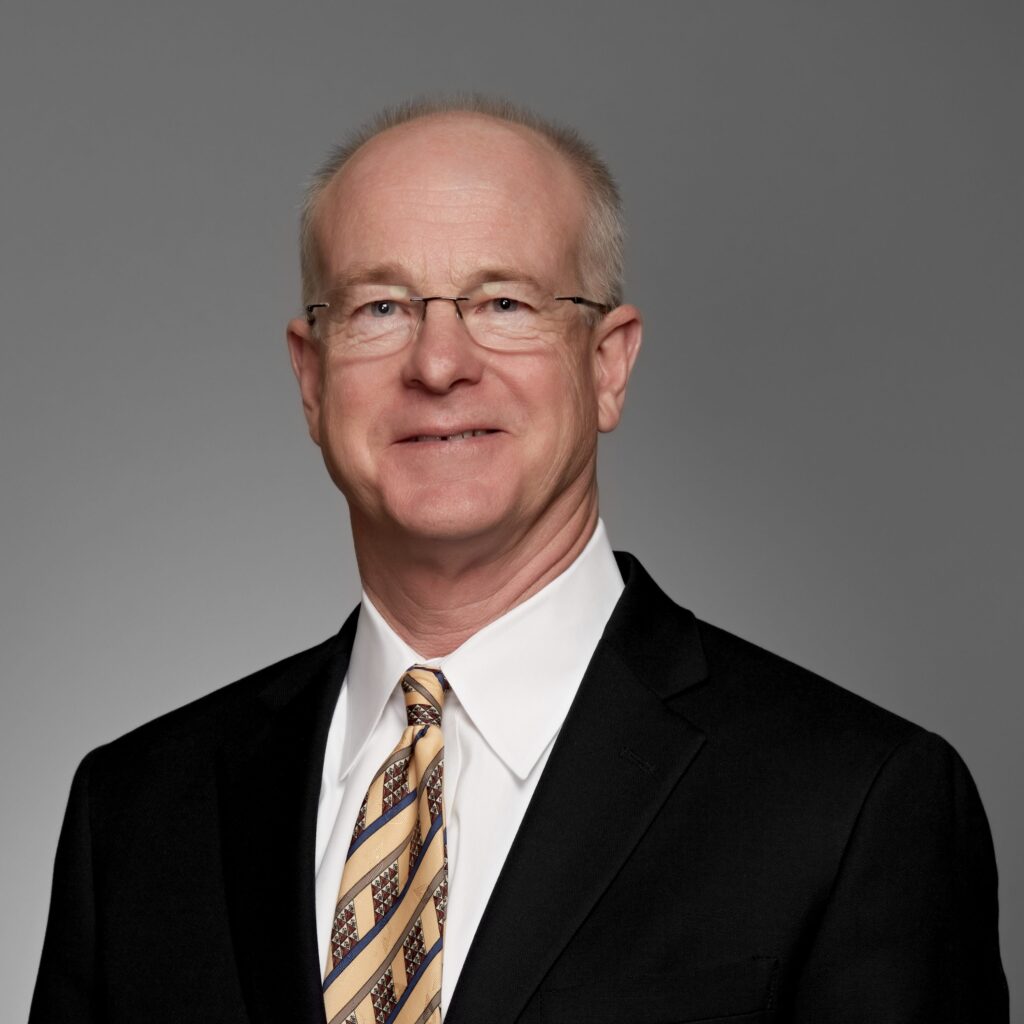
Dave Meleski on the project „Richeline as part of the RJC“
Looking back over the past 20 years, what inspired Richeline to become part of the RJC and what was the goal?
Dave Meleski:
On the one hand, inspiration:
When the Richline Group was founded, one of the cornerstones of our culture was something we called "Richline Responsible." It guided how we operated along our supply chain and how we collaborated with our employees worldwide. This commitment aligned seamlessly with the mission of the Responsible Jewellery Council when it began its journey, making it a natural step for us to be involved from the very beginning.
What we wanted to achieve:
We saw an opportunity to lead by example within our industry. We wanted to build trust and confidence with all our stakeholders—our communities, employees, customers, suppliers, and partners. And we hoped to support the creation of a unified standard that everyone could follow. Back then (and even today), different retailers worldwide required different audited processes, leading to inconsistencies and higher audit costs. A single, credible standard was—and remains—a much-needed step forward.

Interview with Dave Meleski as Chairman of the RJC:
What key changes have you observed in the jewelry industry over the past two decades – and how has Richline responded to these developments?
Dave Meleski:
The jewelry industry has undergone a significant transformation over the past 20 years – particularly regarding the establishment and maintenance of responsible standards. Two decades ago, many considered such progress unrealistic. But the growth in RJC membership demonstrates what is possible when there is a clear path forward and a shared commitment.
Today, there is a genuine and widespread commitment to adhering to industry and social compliance standards. It's no longer just talk—it's a priority. At Richline, we've remained true to our "Richline Responsible" commitment. We haven't just adapted to change—we've consciously sought to stay ahead of the curve. Anticipating what's coming next and preparing for future standards has been a key part of how we work.
To what extent has your role as Chairman of the RJC shaped your view on sustainability and your corresponding commitment?
Dave Meleski:
Serving as Chairman of the RJC was an incredibly valuable experience that shaped my approach to sustainability – not only within Richline, but across the entire industry.
One of the most important insights was a deeper understanding of the extensive work behind the development of the RJC standards and the scale at which assurance processes are applied globally. This really highlighted the level of commitment and resources required to live up to our Kingdom Responsible values and maintain our position as a global sustainability leader.
It was also extremely enriching to network with leaders from around the world through the RJC board. These conversations broadened my perspective on the challenges we face as well as the opportunities we have to drive sustainable change together.
Looking to the future: What hopes do you associate with the further development of the jewelry industry – and what role should the RJC play in shaping this future, in your opinion?
Dave Meleski:
When I was nominated for the role of Chair, one of my main goals was to expand the RJC's presence—particularly among retailers in the US. Looking ahead, I hope we continue to make progress in getting the RJC's message to more retailers, as they are ultimately the best channel to the consumer.
I envision a future where the RJC is widely recognized by consumers as a trusted symbol representing the tremendous work our industry has invested in responsible practices over the past 20 years. Such recognition would be a powerful affirmation of our collective efforts and a significant step forward for the jewelry industry as a whole.
More about the Richeline Group: https://www.richlinegroup.com/
More about the RJC: https://www.responsiblejewellery.com/