
Inhorgenta Talk: Hannes Steim (CEO of Junghans) on the relevance of classic wristwatches and the jewelry store experience
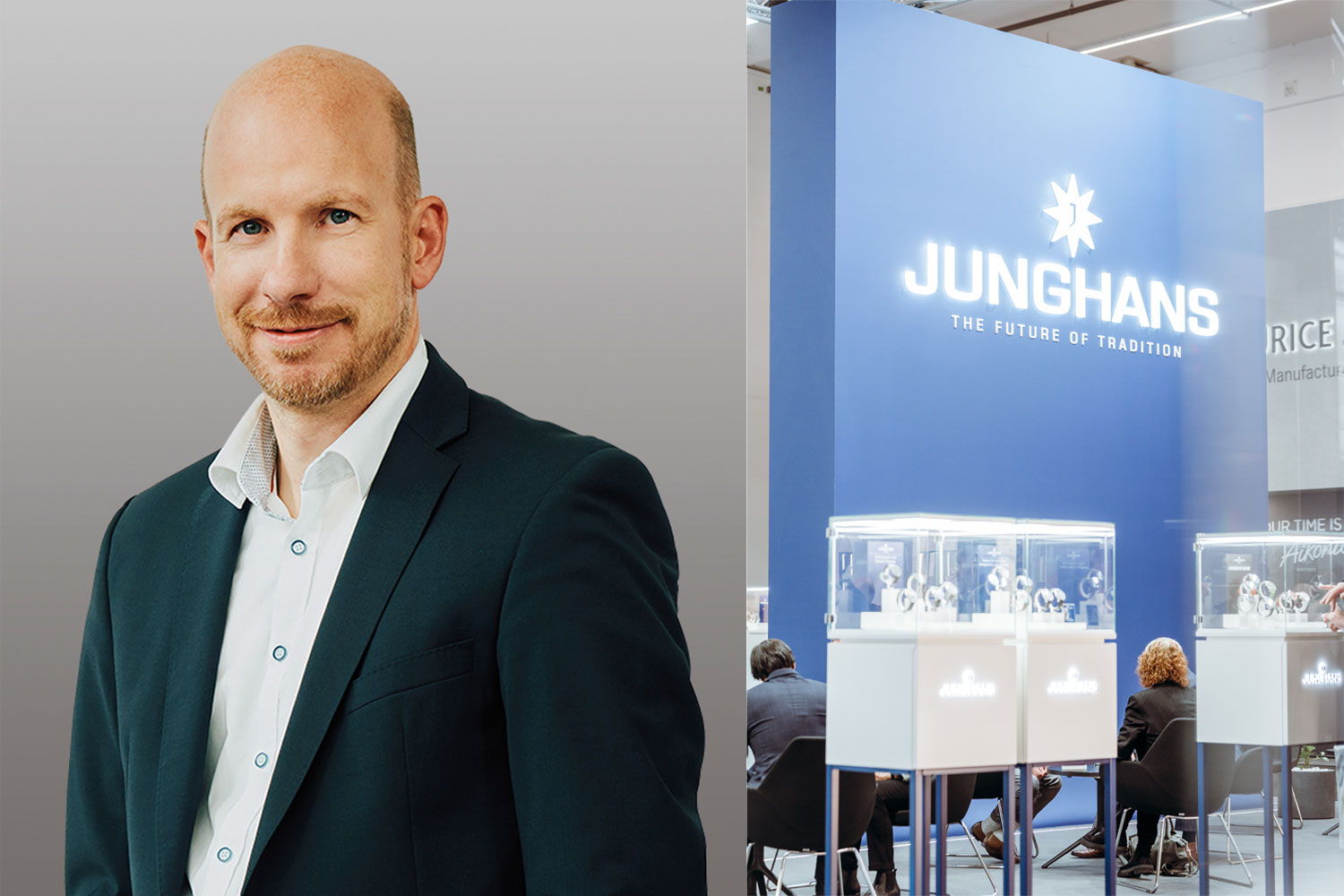
Upon entering Hall A1 at Inhorgenta, Junghans’ spacious exhibition area immediately catches the eye. For the 2026 edition, the Schramberg-based watch manufacturer presented itself with a newly designed booth—a symbol of the brand’s current future strategy, which is closely linked to Managing Director Hannes Steim.
The Steim family of entrepreneurs took over the long-established company from Schramberg back in 2009. Since 2023, Hannes Steim has been at the helm of Junghans as its managing director. At Inhorgenta, he spoke with Insight Luxury about the brand’s history, the allure of classic wristwatches, and the importance of specialty retailers.
The classic wristwatch as an alternative to the digital rhythm
Insight Luxury: For years, people have been predicting the end of the classic wristwatch—first due to the smartphone, and later due to the smartwatch. Yet demand remains high, even among young people. Why is that?
Hannes Steim: I think this has a lot to do with our fast-paced lifestyle today. In a way, the classic watch is the antithesis of that. In the past, people used to gauge time by the position of the sun or the church clock—today, every minute seems to count.
At the same time, many people are increasingly seeking a better work-life balance and moments when emotions and personal values take precedence over constant efficiency. In our fast-paced, information-overloaded world, there is a growing longing for a slower pace of life, tradition, and things with a history.
That is exactly what a classic wristwatch can offer. It can evoke memories of past generations or even be a true heirloom—such as an engraved watch that a father received for decades of service. In this way, a watch also becomes a symbol of personal history, a sense of security, and a moment of reflection in everyday life.
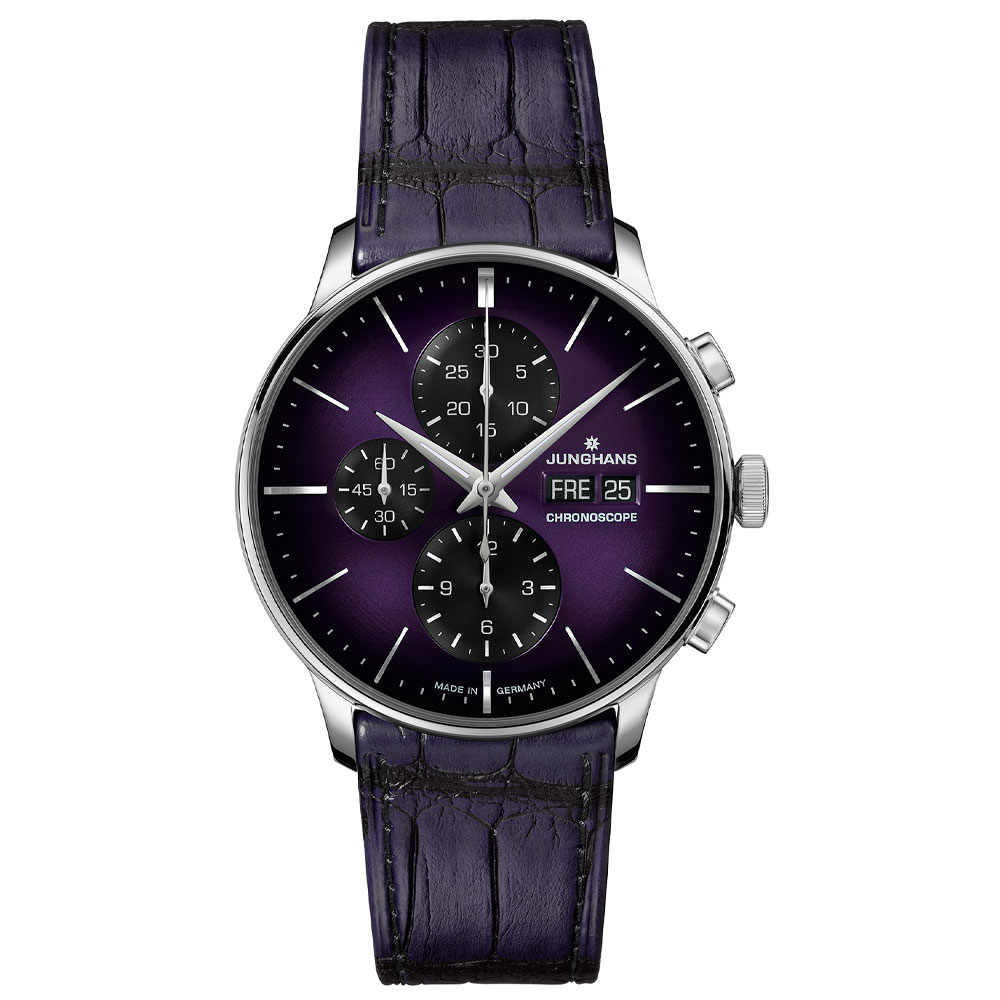
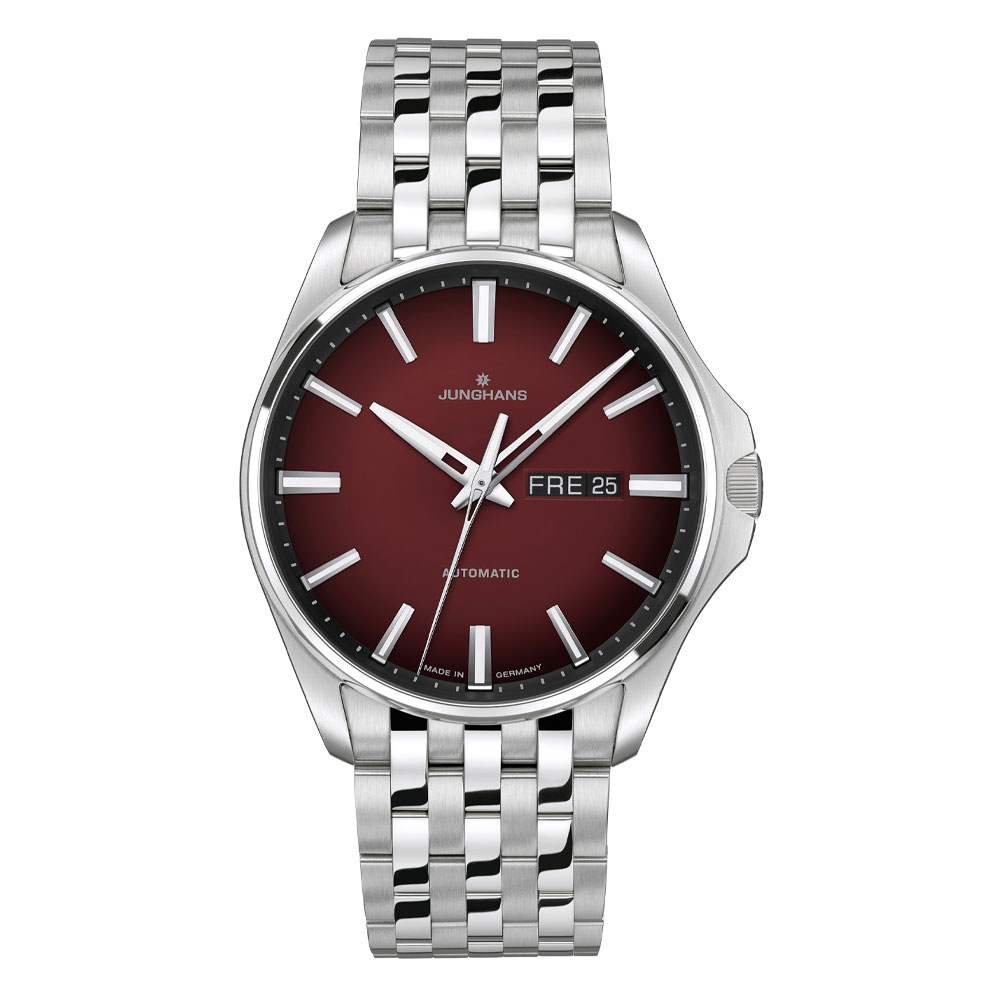
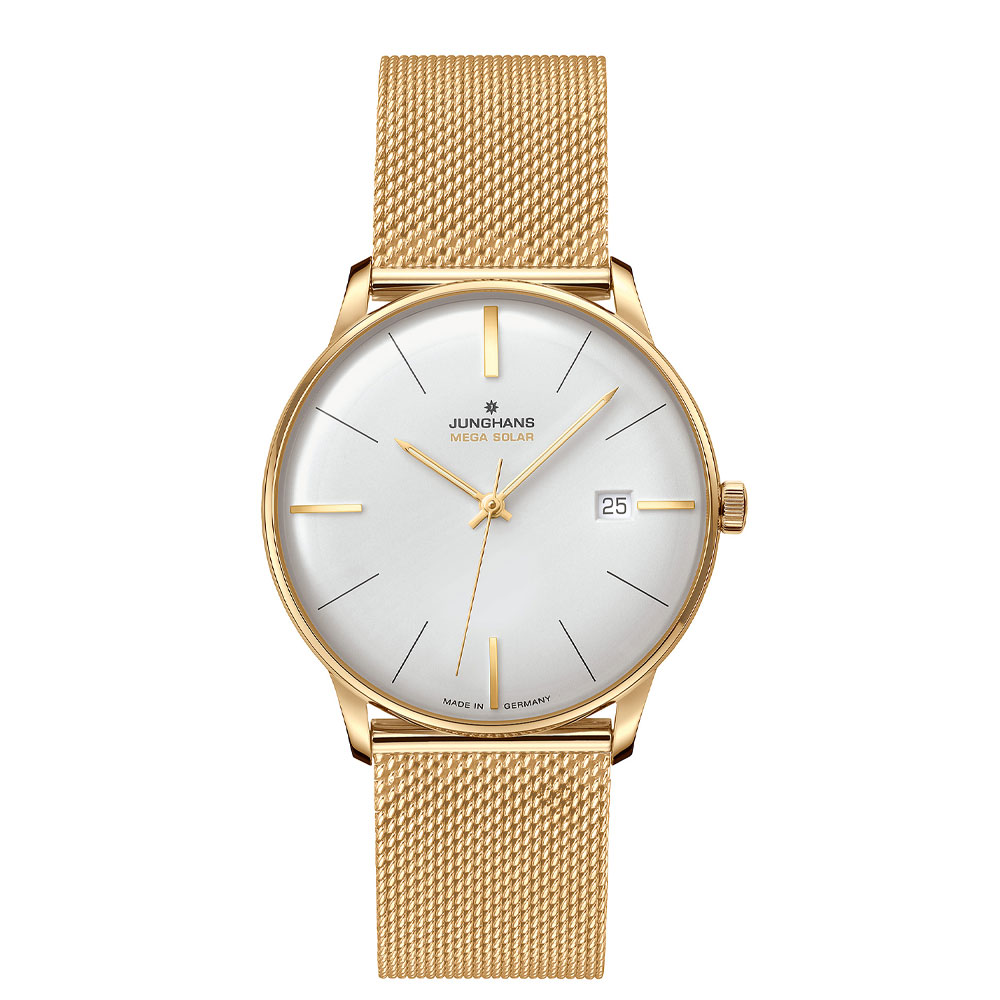

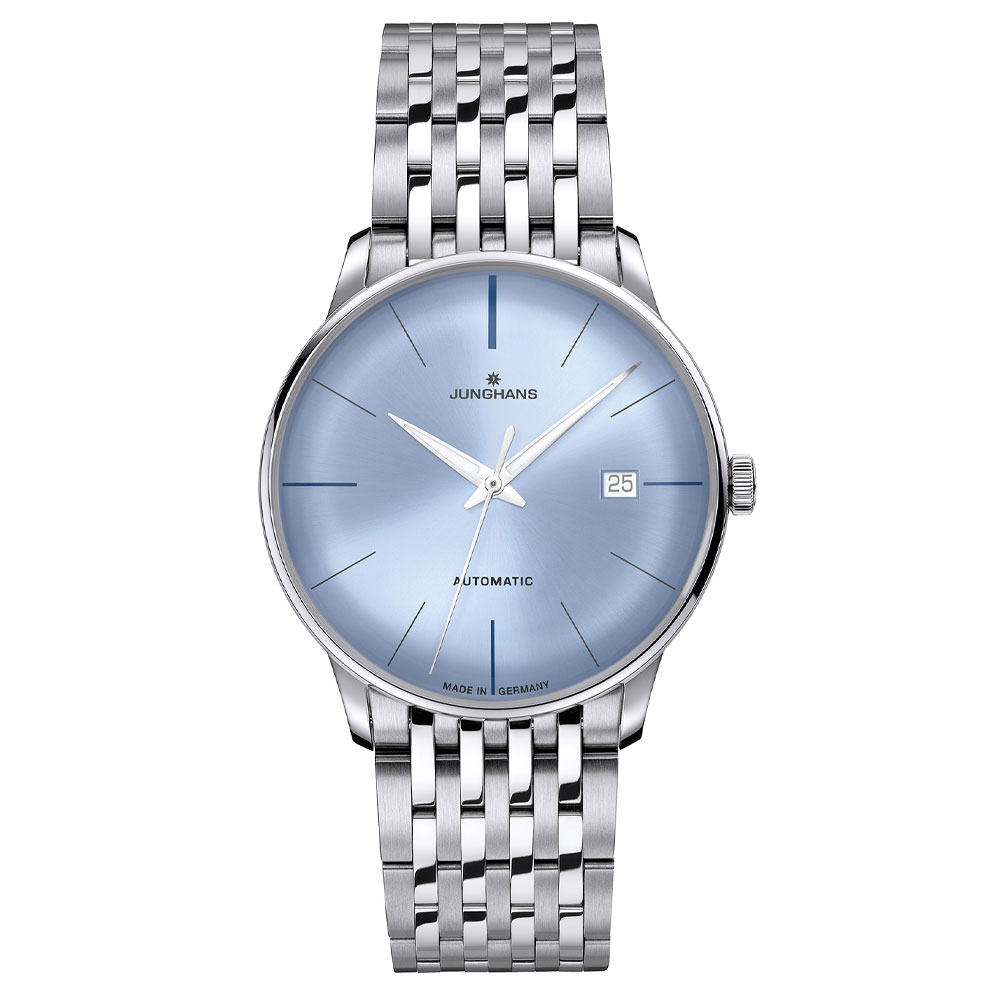
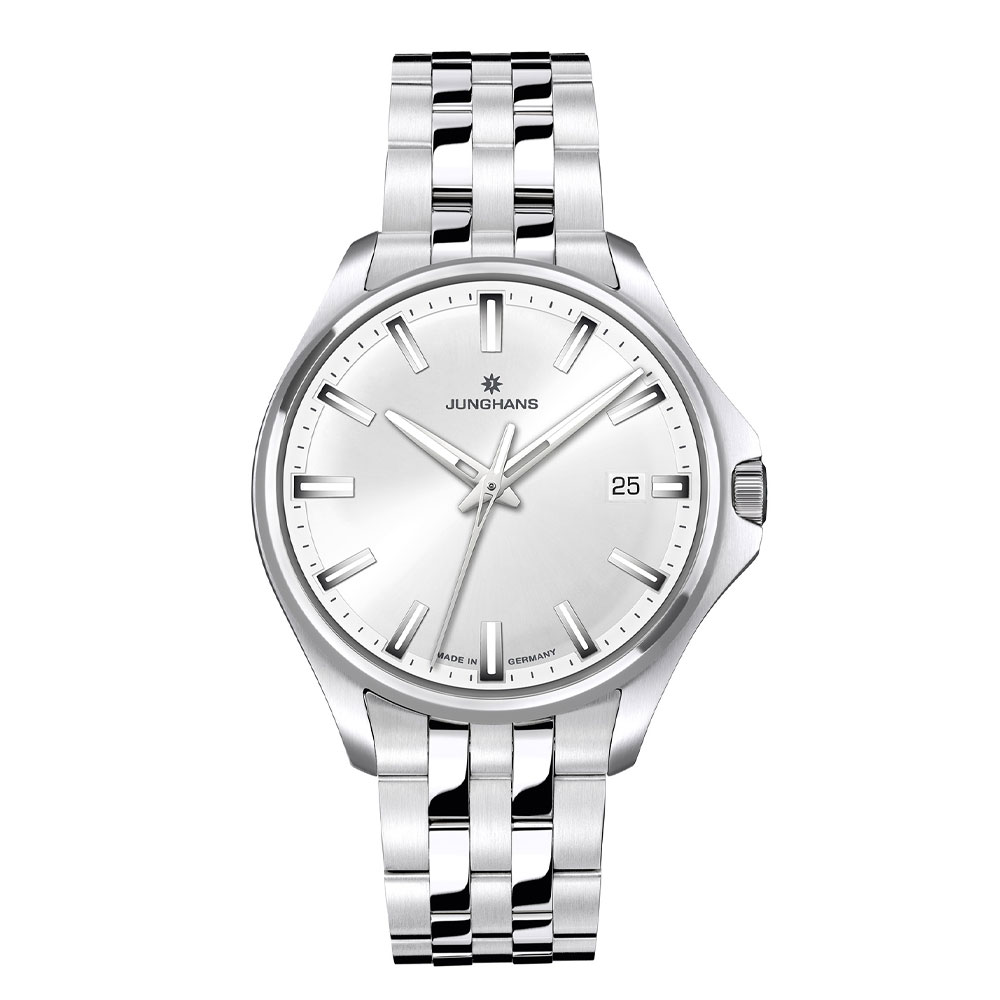
Junghans New Releases 2026
Technology, Emotion, and Practical Benefits
IL: But a wristwatch also has a practical use.
HS: Of course. It’s a piece of jewelry that also tells the time. A mechanical watch may not be as accurate as the digital display on a smartphone—but that’s precisely what makes it so charming.
In a world where everything seems to need to be optimized, a mechanical watch exudes a certain sense of calm. At the same time, it contains fascinating technology packed into a tiny space. Many people are amazed when they see a mechanical movement up close for the first time and watch all the tiny gears mesh together perfectly.
You can actually see how it works—unlike with digital devices. You can wear this little marvel on your wrist and admire it whenever you like. And collecting watches is easy, too: they take up hardly any space.
A classic wristwatch combines emotion, technology, and practical utility—and thus becomes a canvas for reflection and personal stories.
Hannes Steim
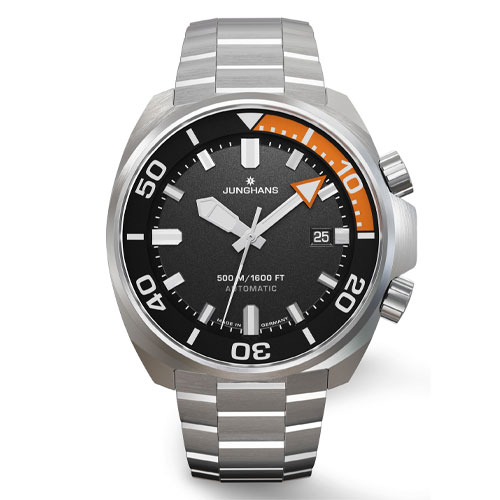
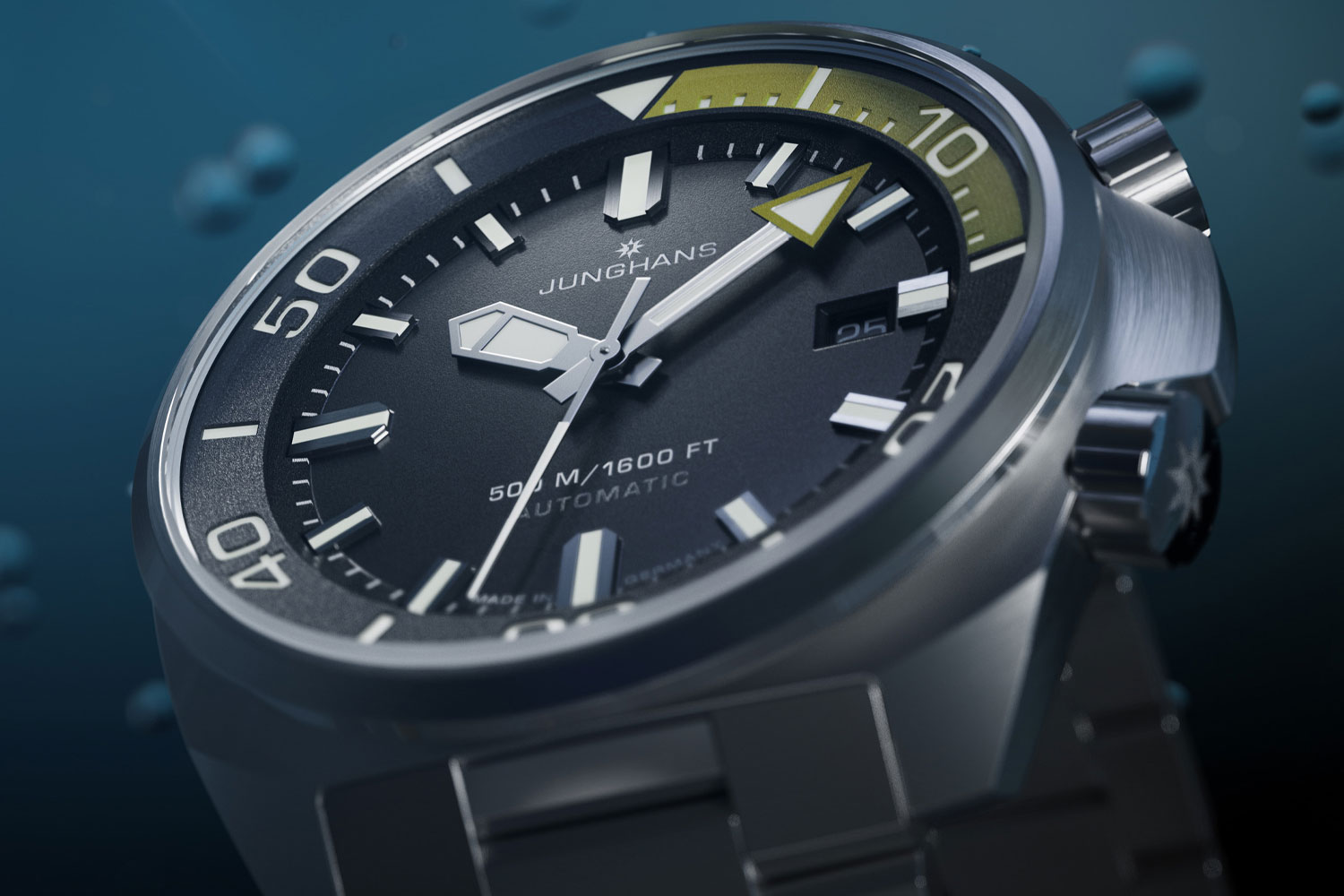
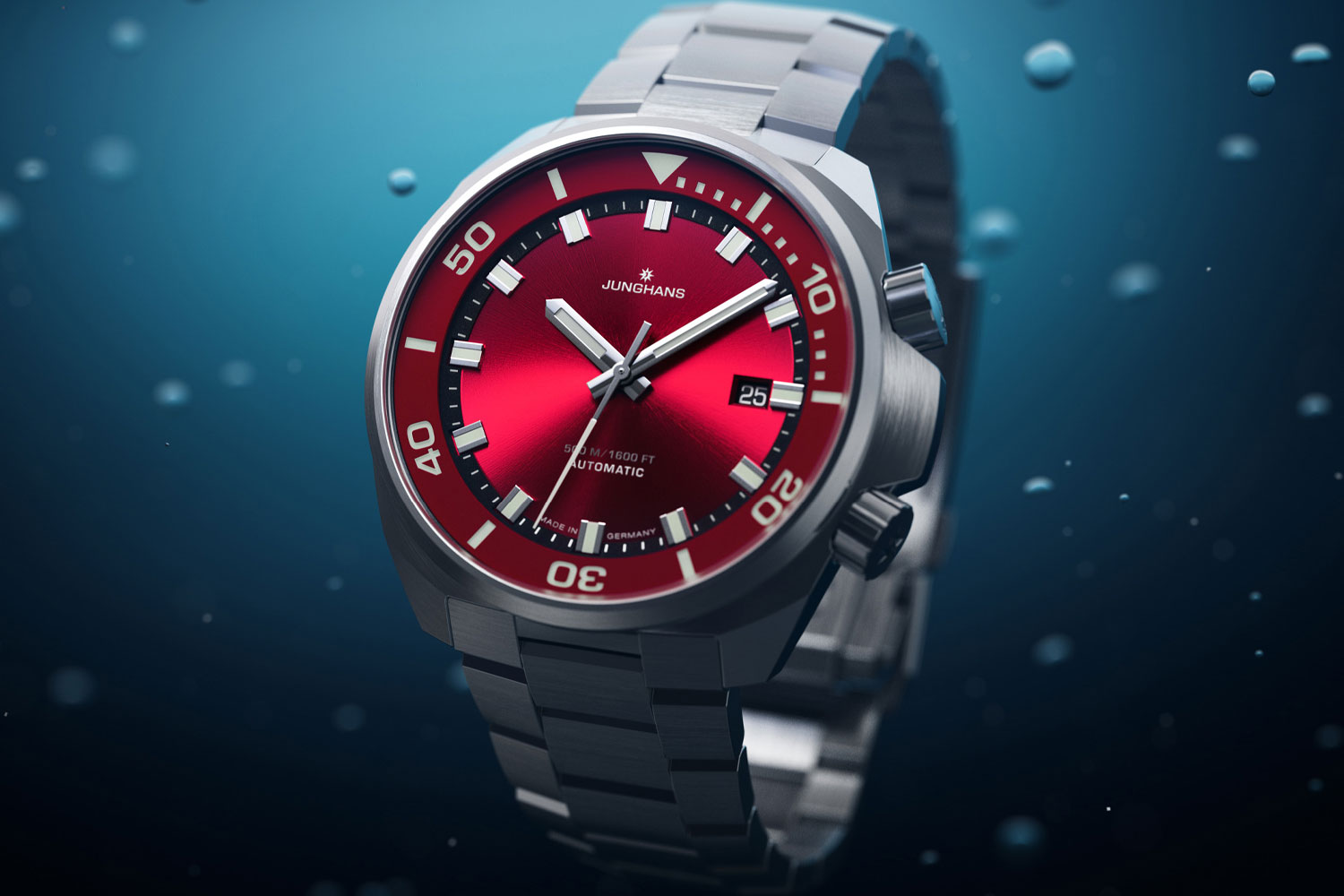
Aquaris by Junghans
IL: Apparently, this is also reaching younger audiences.
HS: Absolutely. We’re seeing more young people interested in mechanical watches again—perhaps precisely because of the smartwatch, which is strongly associated with efficiency and constant connectivity.
Many people are simply tired of being constantly online and available. Especially when spending time with family or friends, you don’t want to be constantly interrupted by messages, vibration alerts, or step counters.
A classic wristwatch, on the other hand, conveys a sense of being offline and in control. That is why it will remain relevant in the future—regardless of whether it is designed to be larger or smaller, more colorful or more minimalist.

A fresh start for the Junghans brand
IL: You have been the CEO of Junghans since 2022. What conclusions have you drawn so far?
HS: We’ve been working on a lot of things. One of them is our history. We have such a long and fascinating history. And I believe it’s extremely important to explore it—including our older models. All of this serves as a source of inspiration and helps define our DNA.
In addition, we have expanded our focus to international markets where we previously had a limited presence. We have also further developed our collections and added more color to them. Furthermore, we have driven forward and completed various technical developments.
IL: When you took over as CEO, your goal was to move Junghans out of the niche of minimalist design, where the brand had become a bit complacent. Did that strategy work?
HS: It really was a learning process. And we’ve seen that it works. Of course, we’ve gone a bit overboard here and there, but overall, the new, carefully revised collection portfolio has been very well received.
This has also led to us now being perceived in a completely different, more modern light. That is immensely important in times of challenging conditions. But the process is not yet complete.
Next year, we’ll be celebrating 100 years of Junghans wristwatches, and there will be some exciting new designs.
Hannes Steim

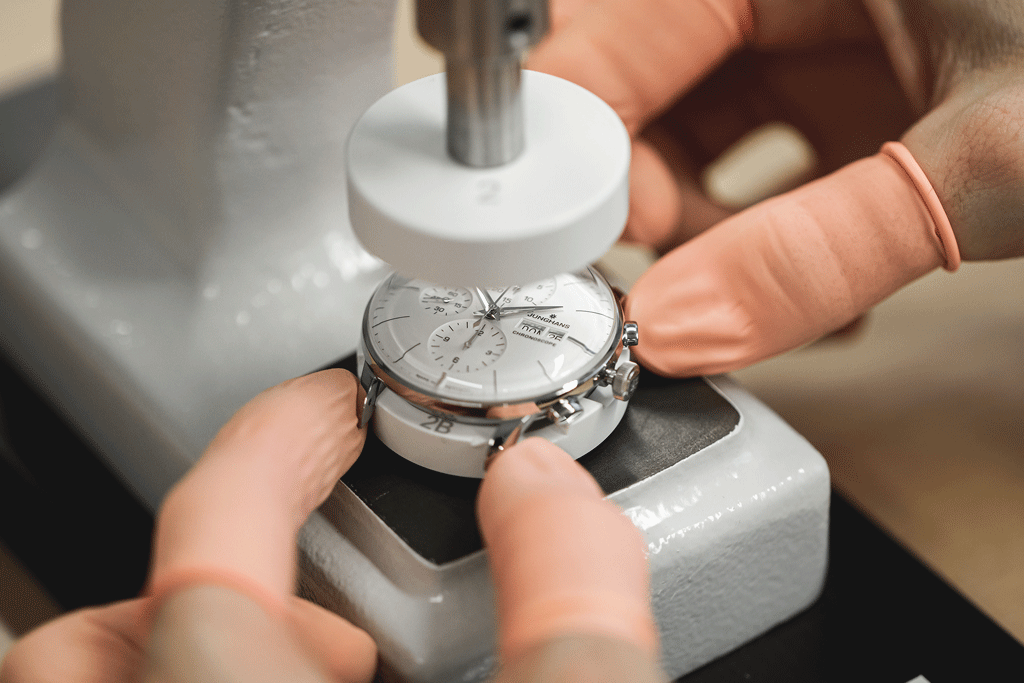
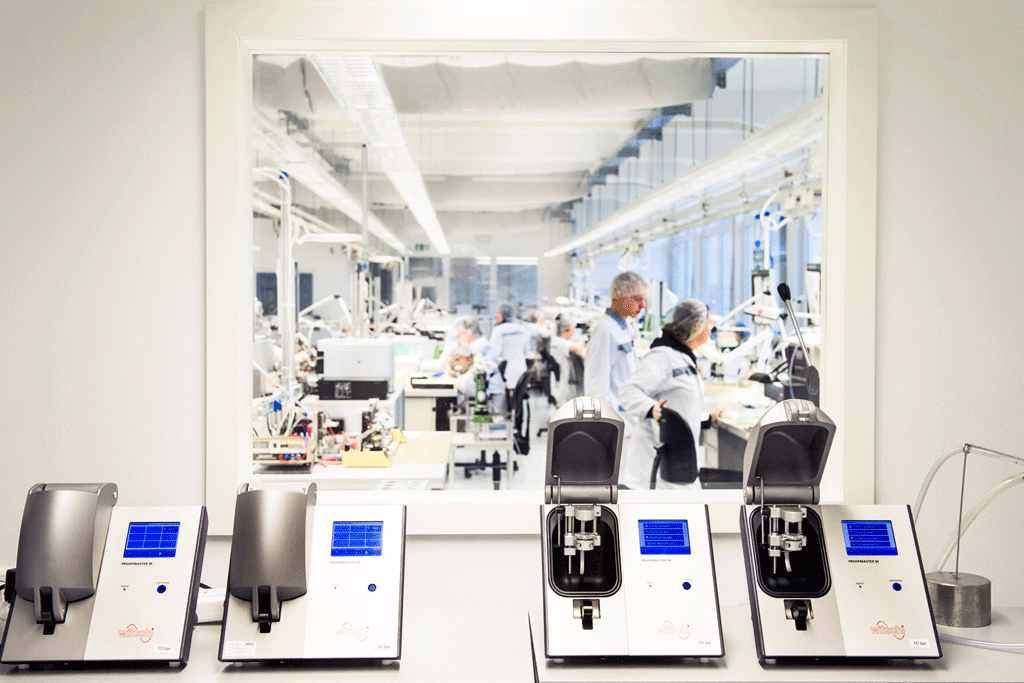
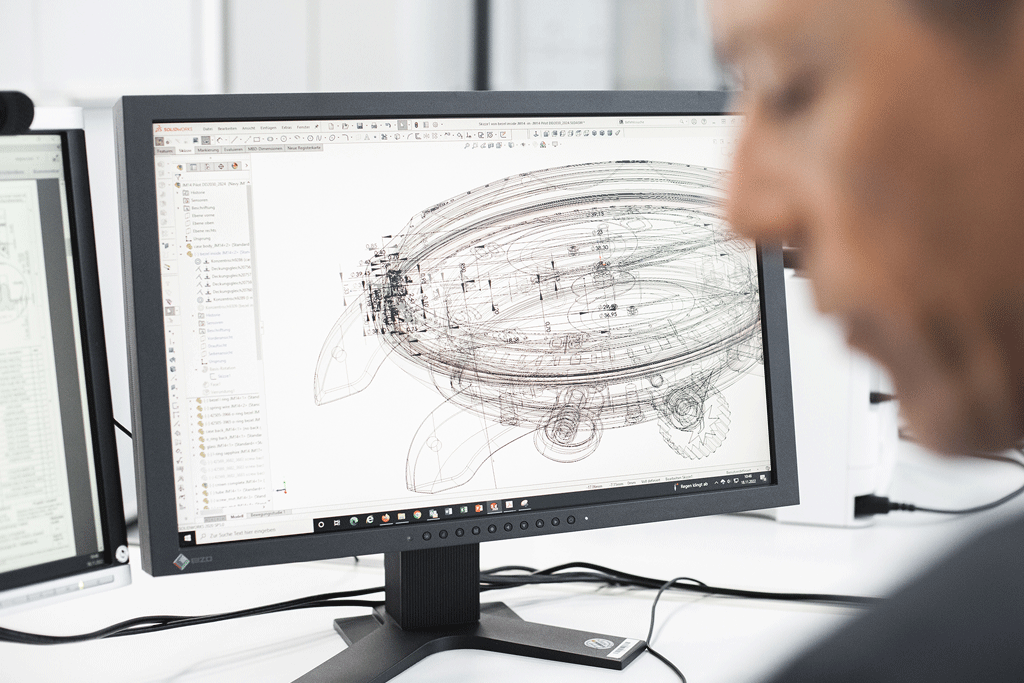

IL: Did you make any particular discoveries during your research into the brand’s history?
HS: Lots. One particularly remarkable story happened last year. A man called me and told me that his father had passed away and left behind a large Junghans collection.
When I visited him, I found myself standing on the third floor of his house, suddenly faced with around 1,400 watches—ranging from wall and grandfather clocks to pocket and ship’s clocks, as well as some 650 wristwatches, plus numerous spare parts. Everything was perfectly organized—and right in the heart of Schramberg. I was truly speechless—and that rarely happens.
We were able to acquire this collection, thereby significantly expanding our archives. This is not merely about looking back at the past. It raises the question: What does Junghans stand for—in the past, today, and in the future? Such discoveries are not only historically fascinating but also a valuable source of inspiration for future Junghans watches.
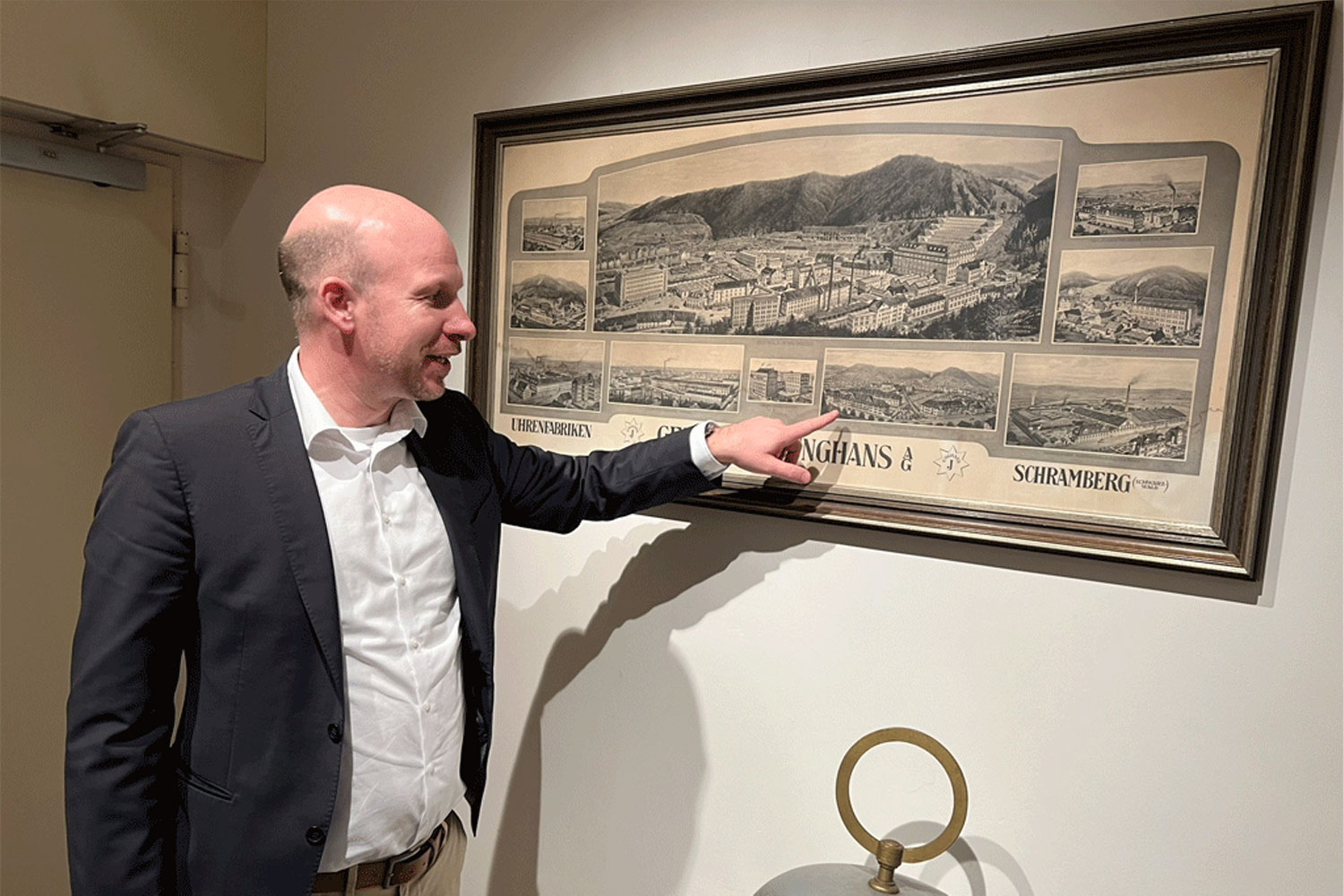
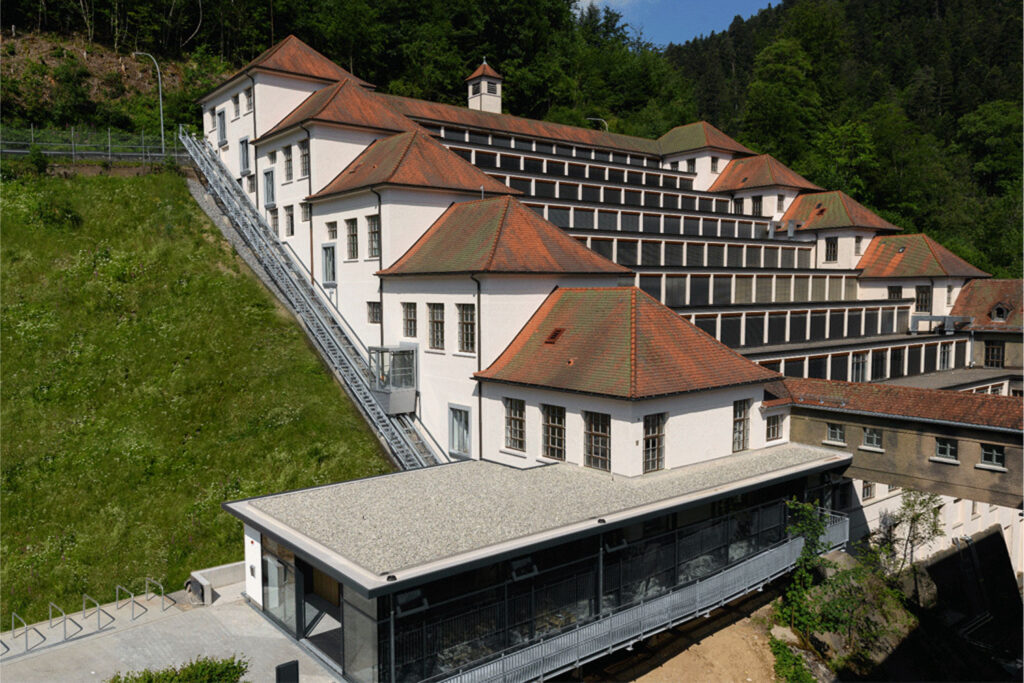
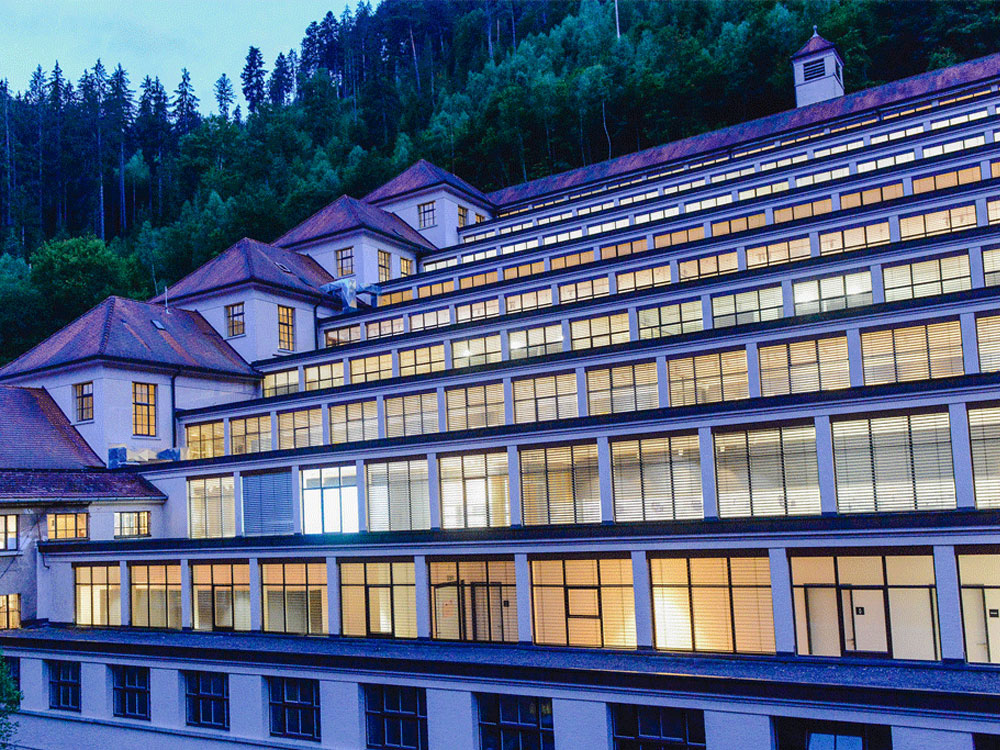
IL: You also aim to bridge the past and the future at the Terrassenbau Museum in Schramberg. When I visited you in Schramberg in early 2024, I saw a great many cuckoo clocks there.
HS: Exactly. Because that’s where we also showcase the history of watchmaking in the Black Forest—and that naturally includes cuckoo clocks. But there’s now a much greater focus on Junghans in the Terrassenbau, which we’d like to establish as a kind of “Junghans World.”
For example, the special exhibition “Junghans Wristwatches – Milestones in Watch History” is currently on display. It marks the 100th anniversary of our first wristwatch next year.
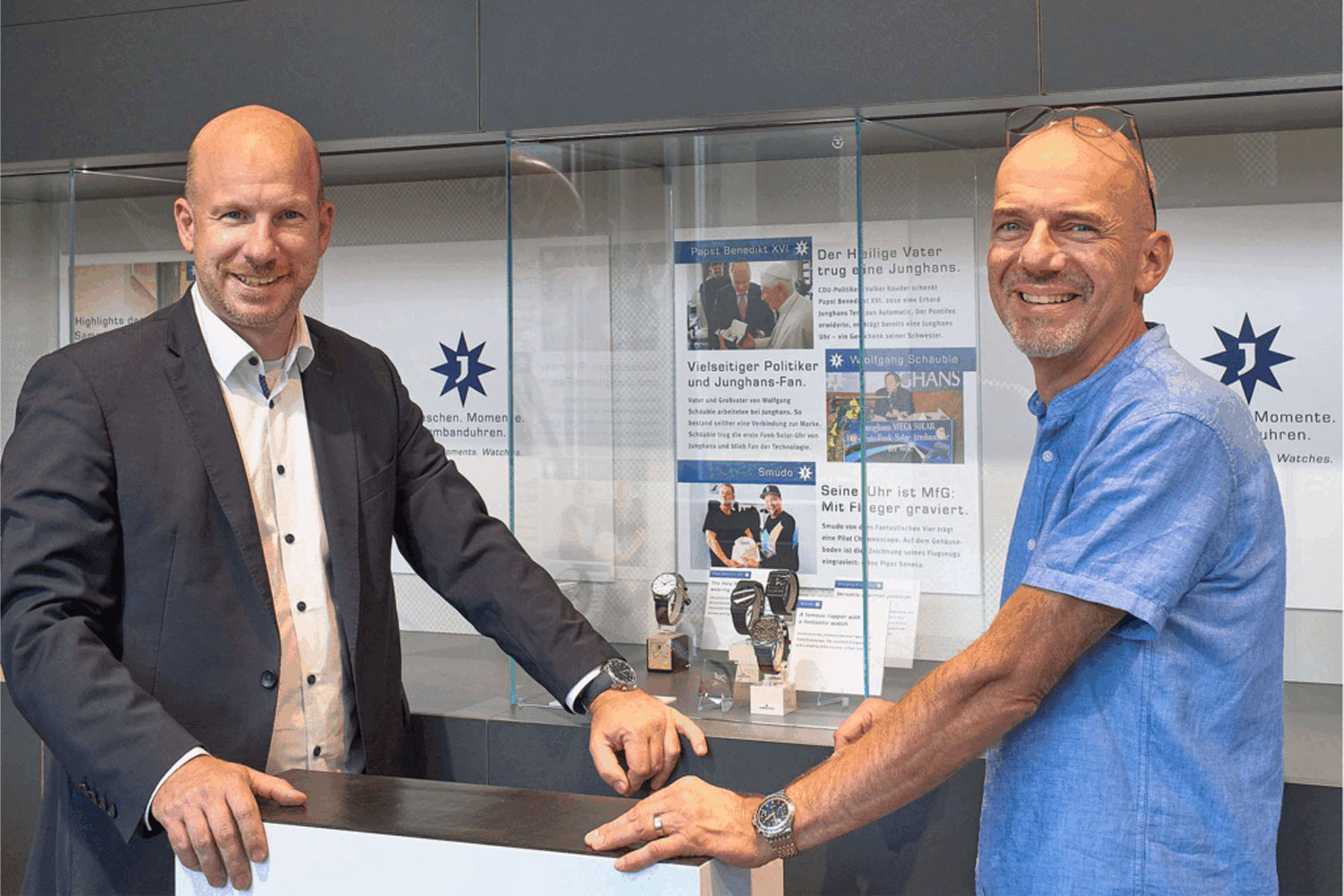
IL: Listening to you talk, I get the impression that you really enjoy your job.
HS: Yes, I love my job; it brings me immense joy. We have a very emotional product that is also part of Germany’s industrial history. It’s incredibly multifaceted—it’s like reading an exciting book that you get to continue writing yourself.
Specialty retailers as key partners
IL: So you’re talking about the next chapters in Junghans’ history. What challenges will shape the next chapter for the entire watch industry?
HS: One key issue concerns specialty retailers. Many jewelers are facing a succession problem because it is difficult for young entrepreneurs to finance the purchase of a business.
In addition, customer expectations have changed. Today, buying a product is supposed to be an experience. As manufacturers, we too have a role to play in supporting jewelers so that they remain attractive as points of sale for watches.
IL: So does the specialty retail sector play a key role for Junghans?
HS: That’s right. Of course, you can buy watches online. But it’s extremely important to try a watch on your wrist. Two models with the same diameter can look completely different depending on the shape of the case or the lugs, and feel very different when worn.
That’s why I always recommend: Go to a jeweler and try the watch on. Often, all it takes is a different strap, and a watch that was supposedly designed for men suddenly fits perfectly on a woman’s wrist. Plus, the jeweler can explain how it works and help you avoid operating errors.
In short: For us, specialty retailers are key partners—we can only be strong if they are.
Hannes Steim
Experience and service as key value-added factors
IL: How can jewelers remain relevant to consumers in the future?
HS: Expertise, service, and the overall experience are key. A strong product selection and trained staff who can convey both the technical and emotional aspects of a watch are incredibly important.
Here’s a great example: An Italian retailer recently messaged us on WhatsApp because he was looking for a strap for an older radio-controlled watch for one of his customers. We actually found one in our inventory and brought it to him at Inhorgenta.
The retailer sent his customer photos of the collection, as well as of our new products from the trade show—and the customer went on to purchase four Junghans watches. This clearly demonstrates that the added value of personalized service—which only specialty retailers can offer—has a positive impact on desirability and sales.
IL: What role does the Inhorgenta B2B trade show play for Junghans?
HS: This is a very important trade show for us, and Hall A1 is developing positively. Here we meet with our jewelers, talk with our customers, and exchange experiences with international visitors. Everything takes place in a very confidential and relaxed atmosphere.
That is why I am somewhat skeptical about opening the trade show to the general public. If consumers were also present at the booth, many of these confidential discussions would be much more difficult to conduct.