

BVSU: German Jewelry and Watch Industry 2025 – Between Impressive Statistics and Real Pressure to Adapt
Excellent export figures are met with high raw material prices, subdued consumption, and growing structural demands. This is the gist of the 2025 economic report from the German Association of Jewelry, Watches, Silverware and Related Industries (BVSU): Statistics and market reality don't always tell the same story.
The BVSU's 2025 economic report paints a contradictory picture for the German jewelry and watch industry: Strong export and import figures result in impressive statistical numbers, but only partially reflect strong demand. The main drivers of growth in euros are sharply increased precious metal prices – gold has risen by around 80 percent and silver by about 40 percent since the Covid crisis – which increases inventory costs, financing expenses, and margin pressure.
The industry faces structural, not just cyclical, challenges: geopolitical uncertainties, volatile commodity markets, increasing regulatory requirements (transparency, due diligence, sustainability), changing consumer behavior, and accelerated brand building via social media. Consumption continues, but it is more selective and conscious – especially for high-priced products. Trust, origin, and clear communication are gaining in importance.
In foreign trade, the watch industry performed well, with export sales reaching €1.995 billion (+5.9% %). The jewelry industry even recorded significant growth with exports of €6.913 billion (+21.1% %), although this was largely driven by price increases. The growth in finished jewelry was more moderate.
Precious metal prices distort the statistics
In summary, the figures look "brilliant" in euros, but they have a "bitter aftertaste" because high precious metal prices distort the statistics, according to the BVSU. Furthermore, rising inventory values generate additional costs for financing, insurance premiums, and storage.
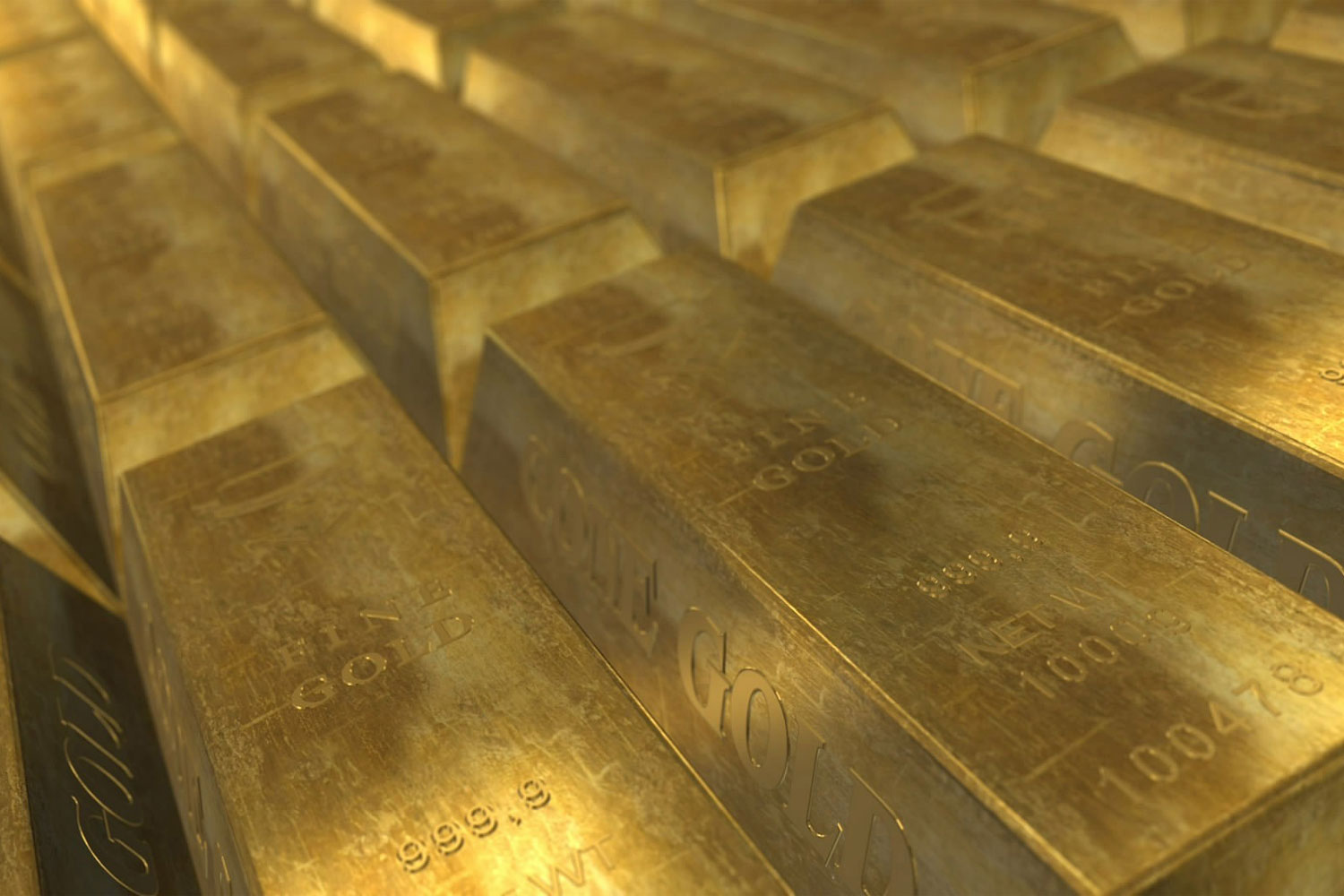
The mood in many companies is worse than the foreign trade figures would suggest. Raw materials as a strategic factor: In practice, 2025 has shown many companies that metal volatility can no longer be treated as a short-term disruption, but as an ongoing management challenge: pricing, costing, inventory strategy, hedging, purchasing timing, product design (weights, alloys, modular constructions), and last but not least, communication at the point of sale and in B2B sales.
Diamonds 2025: Clear roles, less ideology
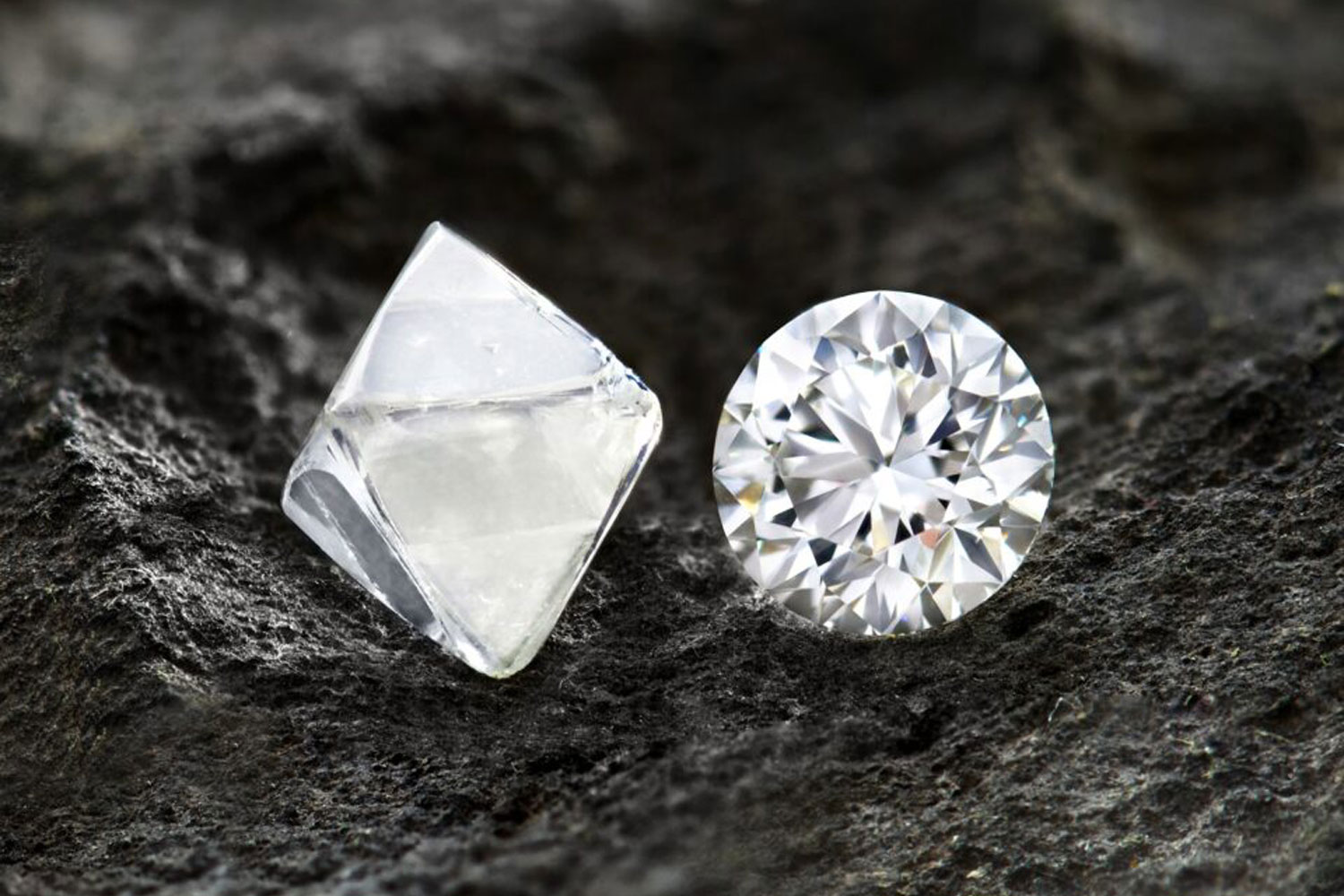
A functional division is emerging in the diamond segment: Synthetic stones are gaining importance in the entry-level and mid-price segments, while natural diamonds remain in demand in the high-end sector as rare, stable assets. Clear and transparent communication with the customer is crucial.
Conclusion: 2025 was a reality check
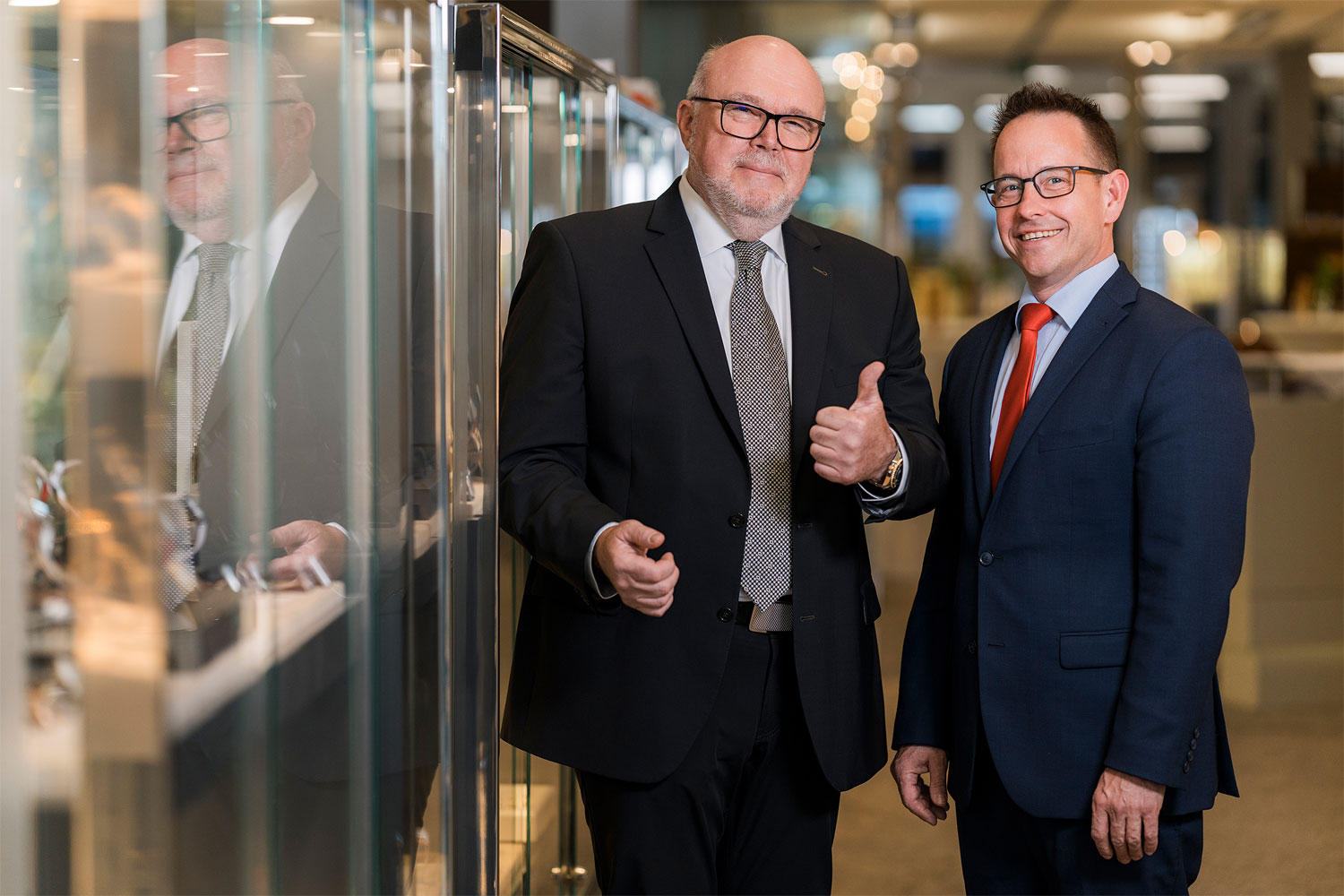
„The industry faces the challenge of dealing with volatility, price pressure, and increasing demands on a permanent basis,“ says Guido Grohmann. „The key will be how well companies manage to combine pricing logic, product positioning, and transparent communication.“
„"2025 was not a year of easy answers."“
Guido Grohmann, CEO of the BVSU.
BVSU President Uwe Staib adds: „At first glance, the foreign trade figures paint a strong picture. However, in the operational reality of many companies, they primarily reflect the high price level of precious metals – not automatically a correspondingly strong demand. This makes it all the more important to interpret statistics and market perception together and draw the right strategic conclusions.“
BVSU advises sobriety
„"That is precisely why the most important lesson from 2025 is not optimism and not pessimism, but sobriety: Anyone who wants to be successful in 2026 and beyond needs robust pricing and inventory logic, clear positioning, compelling stories beyond mere material values, and the ability to integrate transparency and technology issues in such a way that they strengthen trust instead of increasing complexity."“