

Long live the trend!
Trendfactory Hall B2
for the Trendfactory Program
Another new trend already? Some might roll their eyes. Too fast-paced, incomprehensible, superficial, completely arbitrary – these are all criticisms leveled at trends. But in reality, there's so much more to them. Trends also offer insights into human needs – and are an economic driver that shouldn't be underestimated.
Mood booster with a sense of community
Trends are wonderful things! Just think of the summer of 2023, when the Barbie movie suddenly made the whole world love pink and rose, and going to the cinema became a mini catwalk for many fans – and brightened up people's everyday lives beyond that.
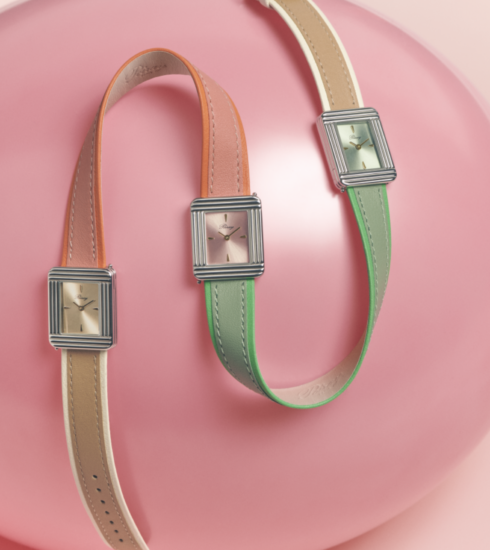
The mass phenomenon spread cheer – and prompted every fashion, jewelry, and watch brand to jump on the pink Barbie bandwagon. The result: pink and light blue watch faces, polka-dotted and floral dresses, cute petticoats, pink scarves and blazers, pink hats, pink diamonds, and pink rhinestones. It was a very feminine trend that dominated the summer two years ago and certainly gave some people an unprecedented sense of style. It was christened "Barbiecore," by the way.
The core behind the preferences
A brief digression into Anglo-American trend culture – because most trends still cross the Atlantic to reach us in Europe: The word "core" basically just means "core" in English, but as a suffix, it describes the topic that fans have made the proverbial "core" of their current mood and their lives. A little mnemonic: the extent to which some people follow trends can sometimes be truly "hardcore." Do you see what I mean?
The fashion and decor world, besides "Barbiecore," also knows "Vintagecore"—relatively self-explanatory—or "Cottagecore," which could be translated as "country house romance." "Campcore" describes the aesthetic of an outdoor lifestyle, characterized by earthy and natural colors, down jackets, and suede shoes.
Anyone wanting a more detailed picture of these trends and styles will find what they're looking for on Pinterest using the terms mentioned above. Feel free to try creating your own words, too. The internet might even have examples of "footballcore" or "golfcore." The "-core" suffix is actually quite practical.

Breaking free from everyday life and finding one's identity
Some might say it's absurd to collectively chase every new trend. One could even accuse it of peer pressure. Where does that leave individualism? But in reality, trends and individualism are not mutually exclusive.
In the case of "Barbiecore," there was Ken in addition to Barbie. Regardless of gender, every Barbie fan or motivated imitator could find something to participate in the "Barbiecore" trend.
At the same time, Barbie's dreamland, with its pastel hues, symbolized a welcome escape from everyday life. That's what trends are for, too. They're fast-paced and volatile, they have something of a teenage feel to them—and, admittedly, teenagers are often the most enthusiastic followers of these trends. They often generate them themselves and ensure they spread. Social media platforms like TikTok and Instagram give trends additional momentum and reach. The rapid change of styles and preferences is an important part of identity formation. It's good that our society gives people the space to experiment, to develop a persona, so to speak, and to shed it again if it doesn't suit them. Those who work in retail and incorporate trends into their products can also see themselves as facilitators in the process of adolescent identity formation—and, of course, in the identity formation of all other people who have already passed their teenage years.
Creativity and continuity
What's "in" for a while eventually becomes "out." That's perfectly fine and part of a creative process, both socially and individually. "Out" simply means that a large part of society no longer follows the trend. If someone has discovered a new side of themselves through the trend, or a style they really like, then of course they can keep it. There's nothing wrong or broken about it, it's just not "in fashion." You can and should take "fashion" seriously, but you don't have to. After all, it reflects societal norms. Sometimes it's good to follow them, sometimes breaking free is the right decision.
Furthermore, we also know that trends repeat themselves – see „vintagecore”. This, too, can attract the cynics. „Trends are nothing new at all!”
That's right. Trends are an expression of a feeling about life and a mood, sometimes even of longings. If you delve a little deeper into the subject, it becomes clear why the brightly colored 80s, 90s, and 2000s (trend names "Retrocore" and "Y2K") are making a comeback. The now affluent target group of millennials (born between 1980 and 1996) influences consumption—and thus also the products on offer—with their yearning and nostalgia for a carefree childhood.
Nostalgia and longing
Need some examples? Take a look at Casio's popular retro watches, Pandora's Disney collections, or TAG Heuer's special edition racing watches featuring the world's most famous plumber, Super Mario. Money is flowing into consumer goods that bring us joy and with which we can identify because—watch out, trend alert!—they helped shape our identity as we grew up. People are often willing to spend larger sums to recapture a part of that feeling from back then—albeit in a different form. Because that expensive TAG Heuer watch with Mario on the display also signals: "I used to play video games; now I have a successful career."„
Trends aren't simply created by someone in a fashion atelier – even if "The Devil Wears Prada" claims otherwise in that famous scene with an azure knit sweater. Trends emerge from people's needs and desires.
Why else would anyone want to style themselves like Barbie, like an heiress from a Rosamunde Pilcher novel, or like a rugged cowboy in the Wild West? These are all very obvious examples and may sound like clichés. But sometimes we need that: obvious, clichéd, unambiguous clarity.

Trends as part of good customer service
And what can we learn from this? You may have noticed: Trends are about joy, well-being, self-expression, and emotions – precisely the reasons why people buy jewelry and watches. As a manufacturer or retailer, you not only have the option, but practically the obligation, to address these points with your customers.
While timeless merchandise certainly contributes to greater security and predictability in business, trends help to continually stimulate our sense of pleasure and aesthetics. We all need a little variety now and then, as it brings freshness and dynamism to an everyday life already characterized by routine. As a jeweler, use trends to bring a piece of the wider world into your shop. A window display with regularly changing exhibits sparks curiosity and encourages customers to visit your store more often.
Trends as conscious economic drivers
Trends often provide an overarching direction, but allow plenty of room for individual interpretation. The fact that many trends exist simultaneously doesn't mean you have to follow every trend; you can choose which ones best suit your own concept. Nor does it mean you have to rush through new collections and rotate them constantly, which is economically tantamount to playing a gamble.
Instead, you should compare which items you already have in stock that could be given a new lease on life thanks to a current trend. Small events and parties that embrace a trend offer an opportunity to specifically offer customers jewelry or watches they might not have previously considered. This is also part of a jeweler's job: if you have fantastic products to offer but there's a lack of interest, then simply create the trend yourself and promote it effectively.
One important final point: In the case of "Barbiecore," this strategy paid off for many companies because the film's release was announced well in advance, the protagonist is a toy icon (nostalgia plays a role here as well), and the film's marketing was extensive. Fashion brands were deliberately included in the campaign to outfit the lead actors, Margot Robbie (brand ambassador for Chanel) and Ryan Gosling (brand ambassador for TAG Heuer), for the red carpet. Clever marketing ensured that, in addition to the film studio, the actors, and the official outfitters, many others also benefited from the pink consumer frenzy. It's an example worth emulating.